
Autism inclusion through sport often begins with something simple: a genuine invitation to take part.
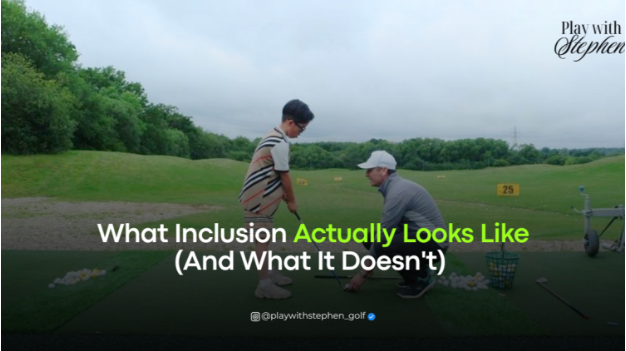
A child walks onto a court, field or golf course. In other places, they may have received small signals that they were too different to belong. Then someone hands them a club and says, “Your turn,” just as they would say it to any other child.
Nobody hovers or expects something to go wrong. Instead, the child receives the time, space and support needed to participate.
That moment can change more than a game.
Inclusion Is More Than Access
Ramps, signs and inclusion policies are important. However, real inclusion goes beyond physical access or written promises.
It begins when a space stops asking someone to hide their needs or change who they are. The person does not have to become quieter, faster or less noticeable to take part.
Instead, the environment becomes more thoughtful and flexible.
That is the heart of autism inclusion through sport. It is not simply allowing a person with autism onto the course. It is making them feel that they belong there.
The Right Environment Creates Room for Focus
Some people with autism may find loud, fast or unpredictable environments difficult to manage. Too much noise, pressure or sudden change can make participation harder.
When that pressure reduces, something different may happen. The person has more room to settle, focus and engage at a comfortable pace.
Golf can provide this type of environment. The game has a measured rhythm, clear goals and space between each action. Players can focus on one swing, one putt and one hole at a time.
Of course, every person with autism is different. No single activity or environment will suit everyone. Yet the right setting can help strengths become easier to recognise.
Sometimes, the focus was not missing. It simply needed a better place to appear.
Confidence Grows Through Experience
Words of encouragement matter, but confidence needs more than praise. It grows when a person experiences success for themselves.
A ball lands close to its target. A putt drops into the hole. A player completes a round from beginning to end.
Each achievement becomes evidence: I tried something difficult, and I did it.
These moments may appear small to others. However, they can create a strong sense of progress for the person experiencing them.
As those moments continue, confidence begins to feel real. The young person walks away knowing they can learn, improve and face another challenge.
That belief can last much longer than the game itself.
Belonging Means More Than Being Present
A person can remain in the same room as everyone else and still feel excluded. Presence and belonging are not the same thing.
Belonging means being wanted. It means people notice when you are absent and include you in their plans without waiting for you to ask.
We have watched a boy who once remained at the edge of group activities begin walking directly towards his group. He no longer waits for someone to notice and invite him.
Now, he knows his place is already there.
Nobody announces it or treats it as something unusual. His group simply responds with an unspoken message: Of course you are here.
That quiet certainty can make a lasting difference.
From a Label to a Stronger Identity
Over time, these experiences can shape how a young person sees themselves.
When coaches challenge, support and welcome them like everyone else, the diagnosis no longer has to define the entire story. It remains part of who they are, but it does not become the only thing others can see.
The young person is no longer simply described as someone with autism who sometimes plays golf.
They become a golfer.
This is one of the most meaningful results of autism inclusion through sport. A person begins to organise their identity around their interests, abilities and achievements rather than around a label alone.
Why Swing for Autism Matters
The Swing for Autism Golf Tournament does not create the importance of inclusion. Instead, it gives inclusion a place to grow.
Play With Stephen did not build a tournament and then hope meaningful moments would follow. We first saw what could happen when someone left the door open.
We saw it in the swings, the second chances and the people who returned because they felt welcome. Therefore, we created an annual event that could make room for more of these experiences.
The tournament is the structure. The transformation happens within it.
Play With Stephen hosted the seventh edition of Swing for Autism from 21–23 August 2026 at Lakowe Lakes Golf & Country Estate in Lagos. The event brought golfers, families, advocates and partners together around a shared purpose.
It showed how sport can move beyond recreation and become a platform for awareness, confidence and belonging.
Help Us Keep the Door Open
When we say sport includes someone, we mean more than allowing them onto the course.
We mean giving them the freedom to participate without hiding who they are. We mean creating a space where they can learn, succeed and stand a little taller.
The seventh edition may have ended, but the work continues.
Every future registration, sponsorship and partnership can help keep the door open for another child. It can also strengthen the organisations and families working every day to support people with autism.
Visit www.pwsgolftournament.com to learn more about Play With Stephen, support the initiative or become part of a future Swing for Autism tournament.